Understanding XPEL and Its Role in Vehicle Protection
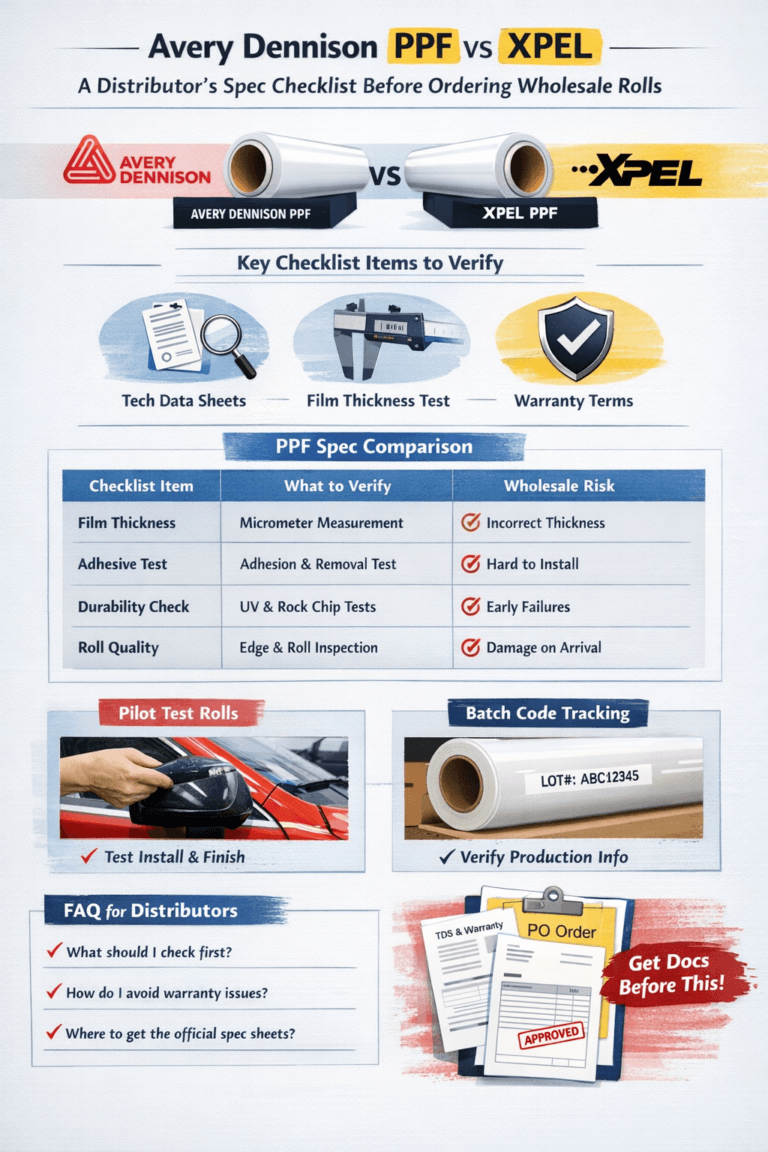
XPEL is a leading brand in the automotive protection industry, renowned for its high-quality paint protection films that safeguard vehicles from everyday wear and tear. As a primary choice for car enthusiasts and professional detailers, XPEL offers innovative solutions that preserve the pristine condition of a vehicle’s exterior. Whether you’re dealing with road debris, minor scratches, or environmental contaminants, XPEL provides a reliable barrier to maintain your investment’s value and appearance. This article delves into XPEL, its popular products, and explores viable options for those seeking alternatives.
One of the standout offerings from XPEL is the XPEL clear bra, a transparent film applied to the front end of vehicles, particularly the bumper and hood areas. The XPEL clear bra acts as an invisible shield, protecting against rock chips and bug impacts without altering the car’s aesthetic. It’s crafted from advanced thermoplastic polyurethane (TPU) material, which is self-healing—minor scratches disappear with heat exposure. For many drivers, investing in an XPEL clear bra means long-term savings on repairs and repaints, making it a worthwhile addition for daily commuters and long-distance travelers alike.
Exploring XPEL Paint Protection Film in Depth
The XPEL paint protection film extends beyond just the clear bra, covering full vehicle applications to shield against UV rays, bird droppings, and tree sap. This film is optically clear, ensuring no yellowing over time, and comes with a comprehensive warranty that underscores its durability. Installation requires precision, often done by certified professionals to avoid bubbles or lifting. XPEL paint protection film has become synonymous with premium vehicle care, used on everything from luxury sedans to high-performance sports cars. Its hydrophobic properties also make cleaning easier, repelling water and dirt for a consistently glossy finish.
However, while XPEL sets a high standard, it’s not the only player in the market. For those budgeting or preferring variety, considering the best alternatives to XPEL can open up new possibilities. Brands like 3M Scotchgard and LLumar offer comparable films with similar self-healing tech and warranties, often at competitive prices. These options maintain the core benefits of protection without the premium cost associated with XPEL.
Best Alternatives to XPEL for Paint Protection
When searching for paint protection film alternatives, affordability becomes a key factor. Affordable XPEL alternatives include products from Gtechniq and SunTek, which provide robust defense against scratches and chips while being easier on the wallet. For instance, Gtechniq EXO v5 is a ceramic coating alternative that bonds chemically with the paint, offering long-lasting hydrophobicity. These alternatives can perform very well in real-world use, especially when installed correctly and maintained with proper washing habits.
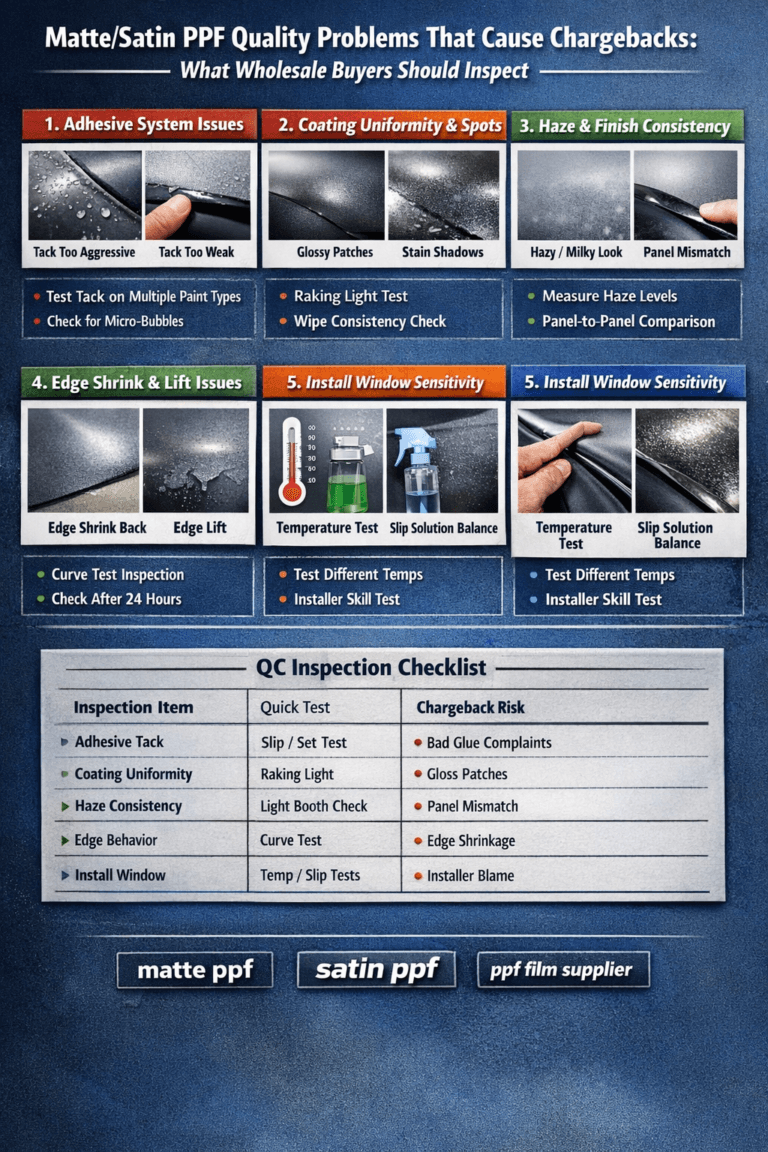
Comparing the best alternatives to XPEL involves evaluating factors like thickness, clarity, topcoat performance, and ease of application. Some alternatives also offer different “feel” and visual characteristics (gloss depth, slickness, stain resistance), which can matter just as much as impact resistance. Installation costs can also vary; DIY kits for some options are available, reducing professional fees. Ultimately, choosing between XPEL and its counterparts depends on your vehicle’s needs, budget, and desired level of protection.
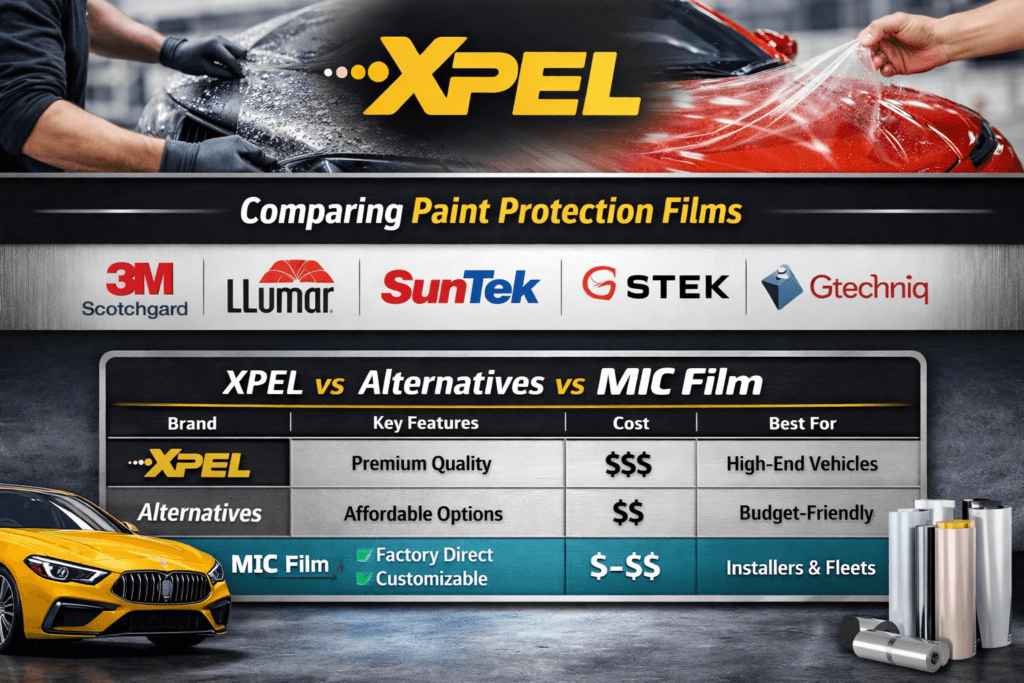
Comparison Table: XPEL vs Alternatives
Note: exact specs, warranties, and performance vary by product line and region—always confirm the specific series you’re buying.
| Brand / Option | Type | Typical Strengths | Potential Trade-offs | Best Fit For |
|---|---|---|---|---|
| XPEL | TPU PPF | Strong premium positioning; wide installer network | Often higher total cost (material + install) | Owners prioritizing “set-and-forget” and installer availability |
| 3M Scotchgard | TPU PPF | Established brand; broad availability | Series differences can be confusing | Buyers wanting a mainstream option with wide access |
| LLumar | TPU PPF | Strong film pedigree; good optical clarity | Availability depends on installer channels | Premium alternative seekers with brand recognition |
| SunTek | TPU PPF | Competitive pricing in many markets | Performance varies by series | Value-focused buyers who still want TPU PPF |
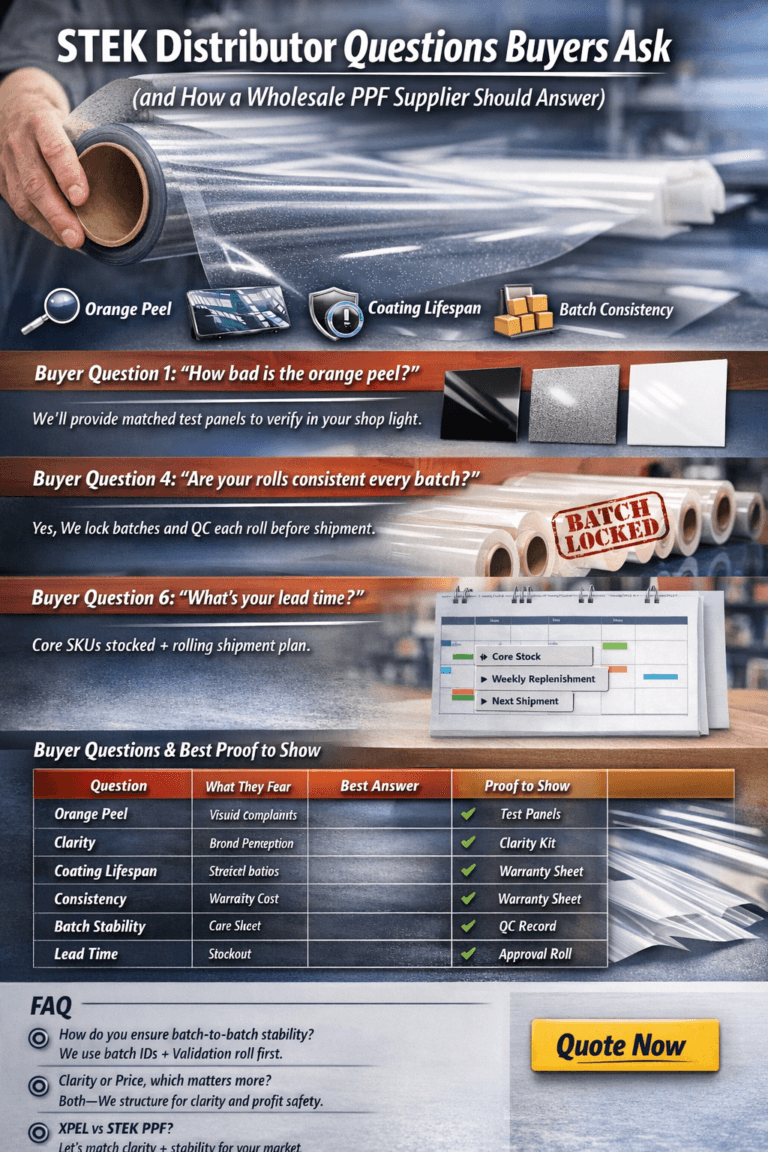
| STEK | TPU PPF | Popular for high-gloss aesthetics; multiple finishes | Premium series pricing can approach top-tier | Appearance-first owners who still want protection |
| Gtechniq EXO v5 | Ceramic coating (not PPF) | Strong hydrophobicity; easier maintenance | Not the same chip/impact protection as PPF | Owners who prioritize gloss + easy cleaning over chip resistance |
| MIC Film | TPU PPF (manufacturer option) | Factory-direct supply; flexible series selection (clear/matte/colored); B2B-friendly customization | Final performance depends on the exact MIC series (topcoat/adhesive) + installer quality | Installers/distributors/fleets wanting configurable specs and stable supply |
Why Consider Switching to Affordable Options?
Opting for paint protection film alternatives doesn’t mean compromising on quality. Many affordable XPEL alternatives use modern topcoats aimed at gloss retention, stain resistance, and easier cleaning. These options are especially appealing for fleet owners, high-mileage drivers, or first-time buyers who want reliable coverage without a high upfront cost. Independent reviews and installer feedback often emphasize a consistent theme: installer skill, surface preparation, and aftercare matter as much as the brand.
If you’re evaluating MIC Film specifically, the smartest way to position it is as a factory-level, spec-configurable TPU PPF option: suitable for partners who want consistent supply, selectable finishes (gloss/matte/colored), and B2B flexibility (private label, roll formats, series-based spec matching). In practice, the best comparison approach is to align on measurable checkpoints—optical clarity, topcoat behavior (self-healing feel), adhesive stability, stain resistance, and warranty terms offered through your channel—then validate via a small test install and real wash cycles.
FAQ
1) Is an “XPEL clear bra” the same as PPF?
“Clear bra” is a common nickname for paint protection film applied to high-impact front areas (bumper/hood/mirrors). XPEL clear bra refers to XPEL’s PPF used in that role.
2) What matters more: brand or installer?
Both matter, but installation quality is often the deciding factor. Proper prep, alignment, edge finishing, and post-install curing can strongly affect durability and appearance.
3) Is ceramic coating an alternative to PPF?
Not directly. Ceramic coatings improve gloss and ease of cleaning, but they don’t provide the same rock-chip/impact protection as TPU PPF.
4) How do I compare XPEL vs alternatives (including MIC Film) fairly?
Compare the exact series (not just the brand), then check clarity, topcoat behavior, adhesive performance, and warranty terms. A small test install (mirror cap/partial hood) is a practical proof step.
5) Partial front coverage or full-body PPF—what’s better?
Partial front is common for value. Full-body is best for uniform protection and consistent appearance—especially on darker colors or high-end vehicles.
References
[1] XPEL Paint Protection Film (Official) (https://www.xpel.com/paint-protection-film)
[2] 3M Scotchgard Paint Protection Film (Official) (https://www.3m.com/3M/en_US/p/c/films-sheeting/paint-protection-films/)
[3] LLumar Paint Protection Film (Official) (https://llumar.com/na/en/automotive/paint-protection-film/)
[4] SunTek Paint Protection Film (Official) (https://suntekfilms.com/automotive/paint-protection-film)
[5] STEK Paint Protection Film (Official) (https://www.stek-usa.com/ppf/)
[6] Gtechniq EXO Ultra Durable Hydrophobic Coating (Official) (https://gtechniq.com/product/exo/)