When people talk about XPEL Ultimate vs LLumar Valor, they usually want an objective answer: which film is tougher, heals better, stays more hydrophobic, and resists staining. A high-engagement community thread on r/AutoDetailing shows a consistent pattern: both are reputable premium films, and the installer quality + coverage strategy often matters more than the logo on the box.
Below is a practical decision guide built around what daily drivers actually worry about: rock chips on bad roads, cost vs coverage, coating upsell, and long-term maintenance.
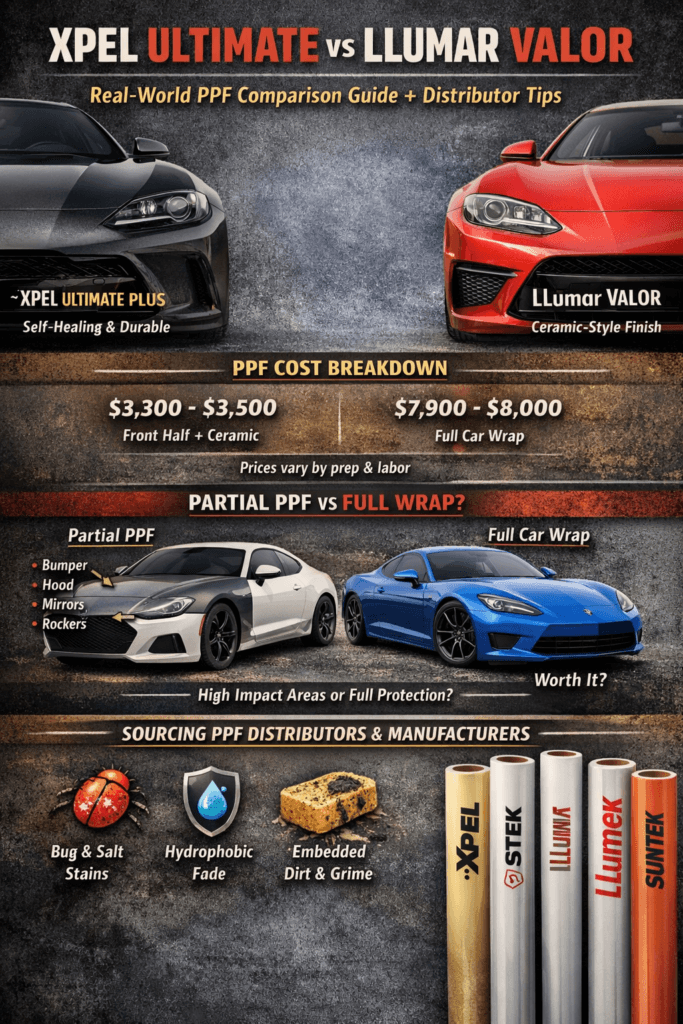
Xpel Ultimate Plus Paint Protection Film vs LLumar Valor: What You’re Really Buying
From the thread, the buyer’s priority list is common: durability (chips/scratches), self-healing, and hydrophobicity – at the same installation price.
Two important clarifications surfaced in the comments:
- PPF helps with chips and paint damage, but it’s not magic for door dings. You may still get a dent; the film mainly reduces paint transfer and surface damage.
- Hydrophobic behavior is not “forever.” Many installers suggest that hydrophobics on PPF can fade, and a coating on top is often sold to help with staining and cleaning.
LLumar positions Valor as a “PPF + ceramic-style finish in one product” with a long warranty claim.
SunTek positions Reaction similarly as a “2-in-1” PPF concept.
STEK positions DYNOshield around a nano-ceramic infused top coat and strong hydrophobic behavior.
XPEL positions ULTIMATE PLUS around self-healing and general protection features.
Price Reality Check: Front Half vs Full Car PPF
In the thread, the quoted ranges were:
- Front half PPF + ceramic coat: about $3,300-3,500
- Full car PPF: about $7,900-8,000
A key community response: those numbers can be “insane” depending on region, and the real driver of cost is often prep and labor (paint correction, decon, trim removal, complex edges). The comment also questions “self-healing” buzzwords and notes ceramic coating product cost itself can be low relative to labor.
What to ask every shop before you choose film
- What paint correction is included (1-step or 2-step)?
- Do you remove trim and badges, or cut around them?
- Are edges wrapped and how do you handle high-tension curves?
- What warranty applies and what voids it (chemicals, pressure washing distance, etc.)?
- What is the maintenance plan to prevent staining and embedded grime?
The “Installer Over Film” Rule – Why It Keeps Coming Up
The most repeated theme in the discussion: comparing two reputable premium brands, the installer is your differentiator.
Reasons:
- Stretch, alignment, and squeegee technique affect clarity and edges
- Dirt contamination or poor prep shows as permanent defects under film
- Edges and seams determine how quickly grime accumulates and how annoying the film becomes to maintain
If two shops are priced the same, choose the one that can explain prep, cutting method, and aftercare clearly – not the one with the loudest marketing pitch.
Coverage Strategy for Bad Roads: Where Full Wrap Usually Loses
A pro installer in the thread argues there’s “no reason to go beyond protection on high impact areas” and lists common targets: bumper, fenders, hood, mirrors, A-pillars, rockers.
For daily driving on gravel, construction zones, and highway debris, a coverage-first approach often gives better ROI than full-body film:
- Full front / track pack (bumper + full hood + full fenders + mirrors)
- A-pillars and roof leading edge
- Rockers and lower doors (where road rash happens)
- Rear wheel impact zones (if your car flings debris)
Hydrophobicity, Stains, and Maintenance: The Part Shops Don’t Explain Well
The thread highlights two uncomfortable truths:
- PPF can be “awful for cleaning/maintenance” because contamination sticks and embeds, especially around seams.
- Salt staining can be worse on PPF than on a coating, and you need a plan (gentle washes, spring decon, PPF-safe chemicals).
This is why some shops push coating bundles on top of film. Whether you pick XPEL or LLumar, ask what they recommend for:
- Bug guts and tree sap removal
- Iron fallout and road film
- Winter salt stain prevention
- Safe wash chemicals (no aggressive solvents, no abrasive pads)
Hot Climate Warning: Heat, Soft Film, and Edge Issues
A commenter makes a climate-specific point: heat can make PPF softer, potentially reducing impact protection, stressing adhesives, and increasing edge lift or shrink risk – especially if the car sits in sun all day and is darker colored.
If you operate in hot climates:
- Ask about post-install curing time and first wash timing
- Avoid aggressive pressure washing near edges
- Consider additional edge sealing practices where appropriate
Comparison Table: XPEL, LLumar, STEK, SunTek – What Distributors Should Know
| Product | Positioning | Hydrophobic angle | “2-in-1” concept | Best fit (typical) |
|---|---|---|---|---|
| XPEL Ultimate Plus | Premium self-healing PPF | Hydrophobic behavior depends on topcoat and maintenance | Not positioned as “ceramic in film” | Wide installer network, strong brand demand |
| LLumar Valor | Premium PPF with ceramic-style finish | Marketed as highly hydrophobic | Yes – ceramic-style finish in one product | Customers prioritizing gloss + easier cleaning claims |
| STEK DYNOshield | Premium top-coated PPF | Strong hydrophobic claim via nano-ceramic top coat | Not framed as ceramic “layer,” but ceramic-infused top coat | Detailers selling hydrophobic + clarity |
| SunTek Reaction | Premium “PPF + ceramic” innovation | “Super hydrophobicity” emphasis | Yes – 2-in-1 construction | Buyers who want coating-like behavior with PPF protection |
If your content plan includes stek dynoshield vs xpel ultimate plus and suntek reaction vs xpel ultimate plus, this table can be expanded into dedicated comparison pages that target those exact query strings.
For B2B Readers: How to Choose a PPF Distributor and PPF Manufacturers
If you are not just choosing a film for one car, but sourcing as a ppf distributor or evaluating ppf manufacturers, the decision framework changes.
What matters to distributors
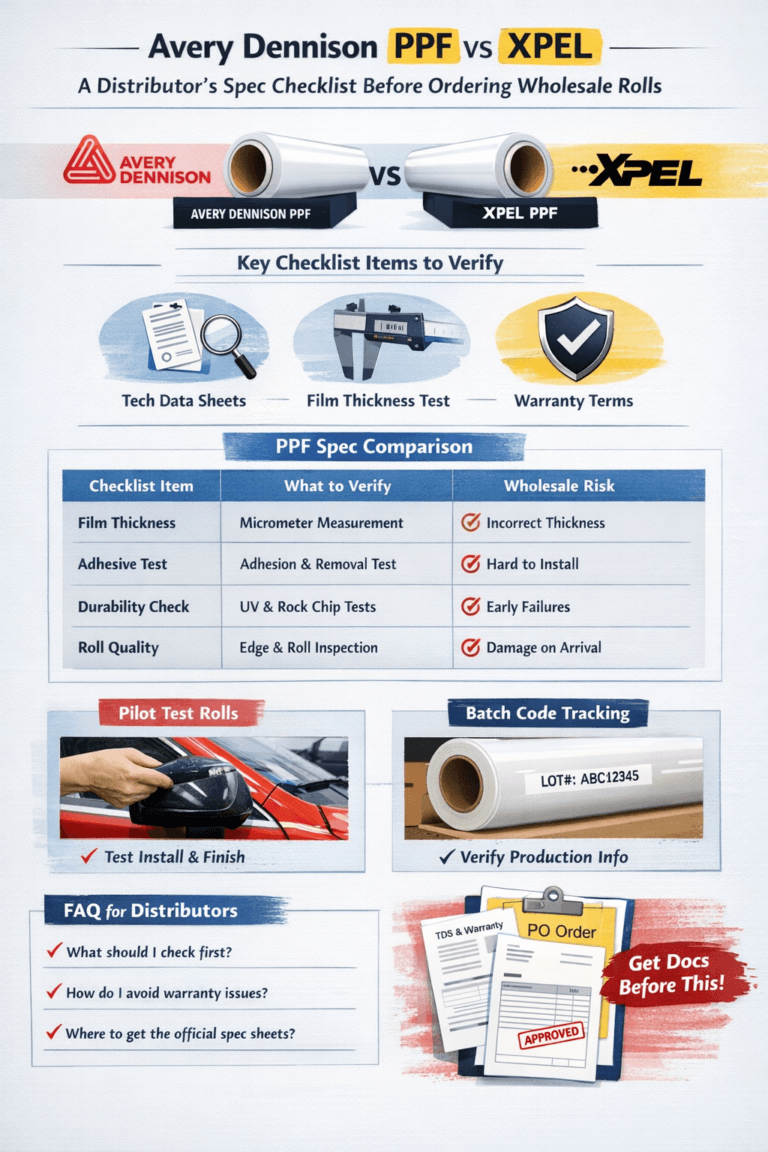
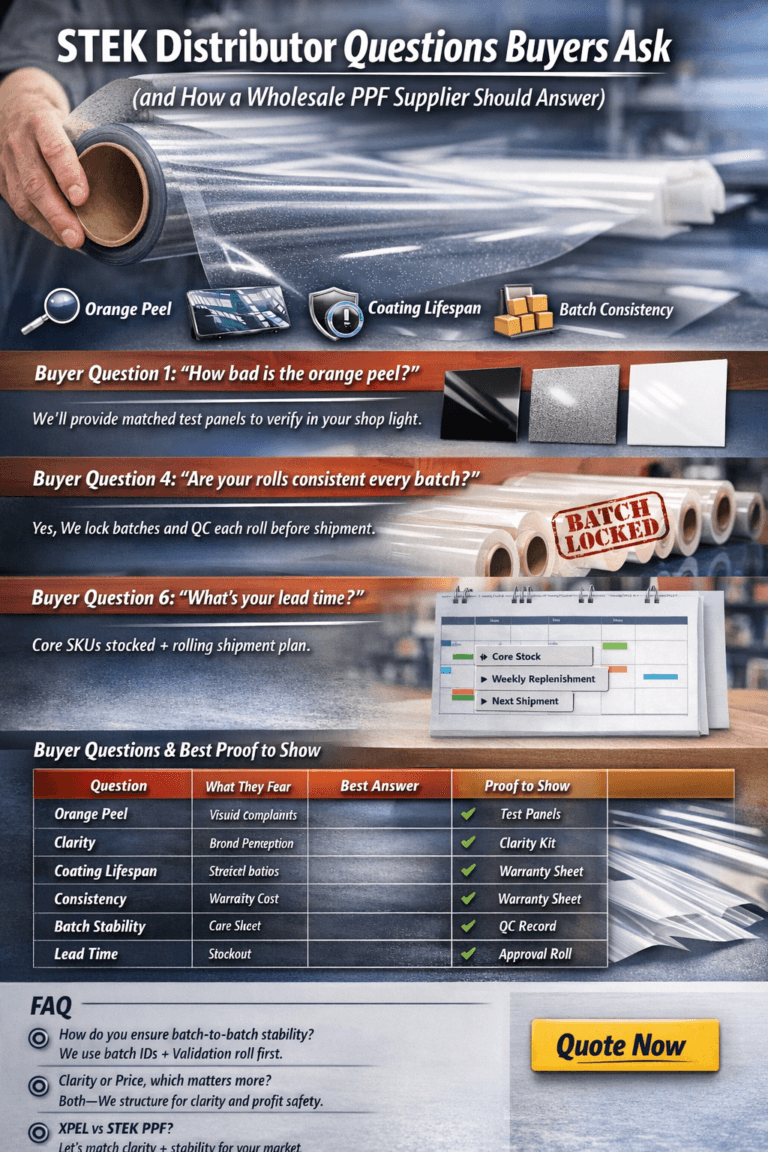
- Supply stability (lead time, MOQ, roll consistency)
- Claim policy clarity (how defects are handled)
- Installer support (training, templates, marketing assets)
- Regional compliance and labeling
- Warehousing and export packaging
What matters when evaluating manufacturers
- TPU base film consistency and optical clarity
- Top coat performance (stain resistance, hydrophobic durability, orange peel control)
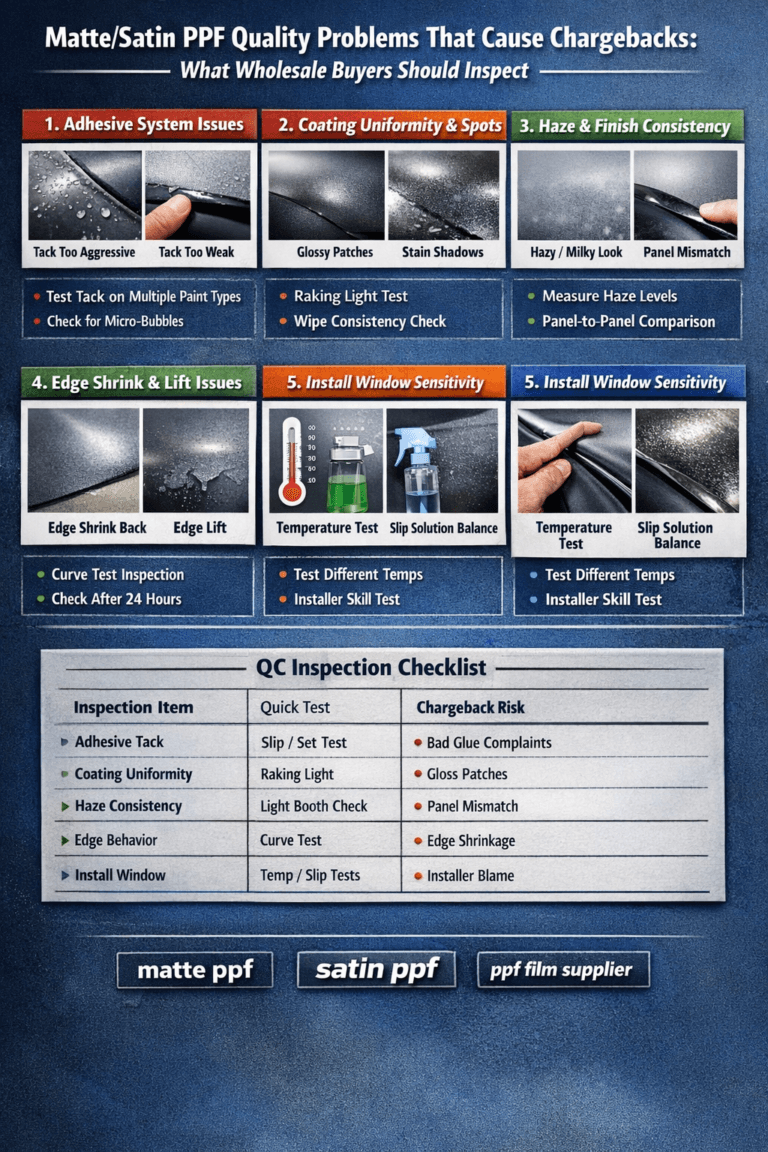
- Adhesive behavior (tack, repositioning, edge lift risk)
- Aging data (UV, heat cycling)
- Warranty terms and exclusions
Export-focused checklist
If you are an export ppf paint protection film distributor, add:
- HS code and customs documentation readiness
- Palletization specs and container loading plan
- Batch traceability and QC records
- Temperature handling guidance for transit and storage
FAQ
Is Xpel Ultimate Plus better than Llumar Valor?
If both are installed by top-tier shops, many pros argue the “better” choice often comes down to installer quality, prep, and your maintenance plan, not the brand name.
Does PPF prevent door dings?
PPF can reduce paint transfer and surface damage, but you can still get dents from impacts. It’s not a structural dent shield.
Is full car PPF worth it on a daily driver?
For many daily drivers, targeting high impact areas gives a better cost-benefit than full wrap, especially because seams and maintenance headaches scale up with coverage.
Do I need ceramic coating on top of PPF?
Some installers recommend it because hydrophobic behavior can fade and PPF can stain or hold grime more easily. But the real value depends on your wash routine and environment (bugs, salt, industrial fallout).
What about hot climates like Florida?
Heat can soften film, stress adhesives, and increase edge issues over time – ask your installer about heat-specific aftercare and edge handling.
References
[1] Xpel Ultimate vs Llumar Valor (https://www.reddit.com/r/AutoDetailing/comments/1k0qas1/xpel_ultimate_vs_llumar_valor/)
[2] Valor Paint Protection Film | LLumar (https://llumar.com/na/en/automotive/paint-protection-film/valor/)
[3] DYNOshield Hydrophobic Paint Protection Film – STEK USA (https://www.stek-usa.com/paint-protection-film/dynoshield/)
[4] Reaction Paint Protection Film – SunTek (https://suntekfilms.com/na/en/paint-protection-film/reaction/)
[5] Ultimate Plus | Find An XPEL Installer Near You (https://www.xpel.com/products/ultimate-plus)