Understanding Tesla Paint Protection
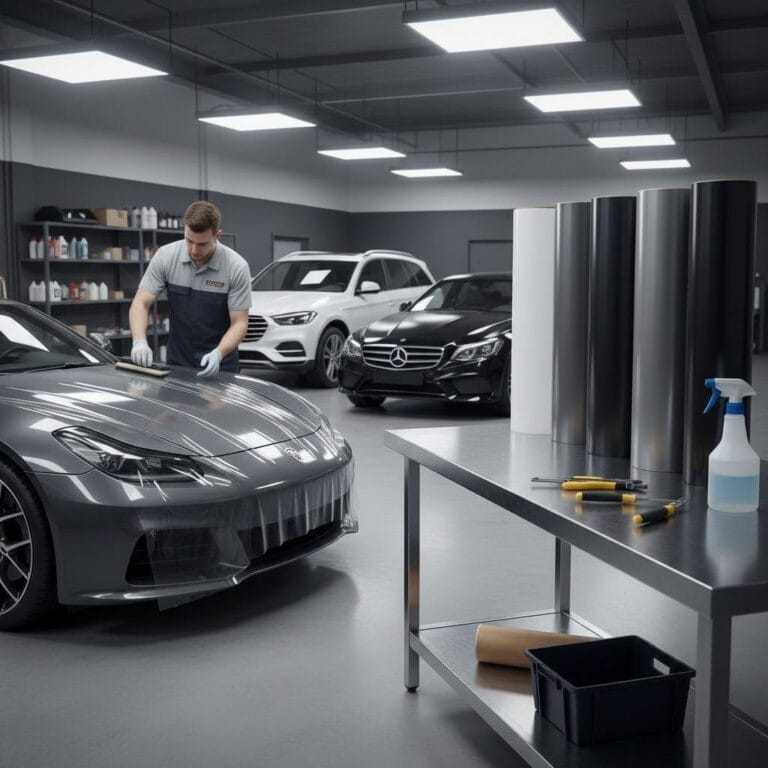
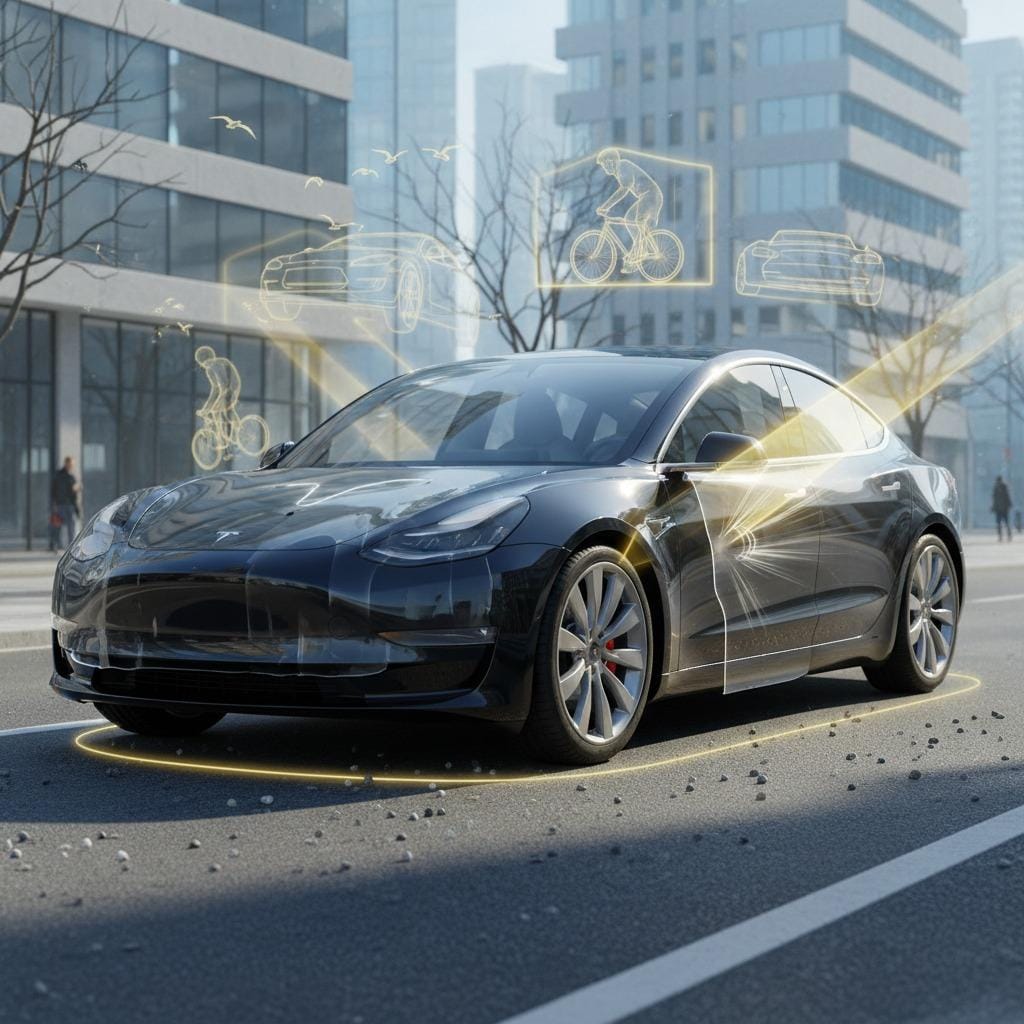
Tesla paint protection is essential for maintaining the sleek, modern aesthetic of your electric vehicle, shielding it from environmental hazards like UV rays, bird droppings, and road debris. As Tesla owners know, the factory paint on models like the Model 3 or Model Y can be prone to chipping and fading without proper care. Investing in high-quality Tesla paint protection ensures long-term durability and resale value, making it a smart choice for enthusiasts who want to preserve their ride’s pristine condition.
A practical way to think about tesla paint protection is to separate damage prevention from appearance preservation:
Damage prevention: stopping chips, pitting, and abrasion where debris impact is concentrated.
Appearance preservation: resisting staining, keeping gloss clarity, and reducing wash-induced swirls.
Maintenance simplification: making cleanup easier after bugs, tar, and other bonded contaminants, so the finish stays consistent.
If your goal is long-term durability and resale value, the best strategy is usually a layered plan: choose the right physical barrier for impact (tesla ppf) and then use maintenance habits that prevent staining and swirl buildup.
Exploring Tesla PPF Options
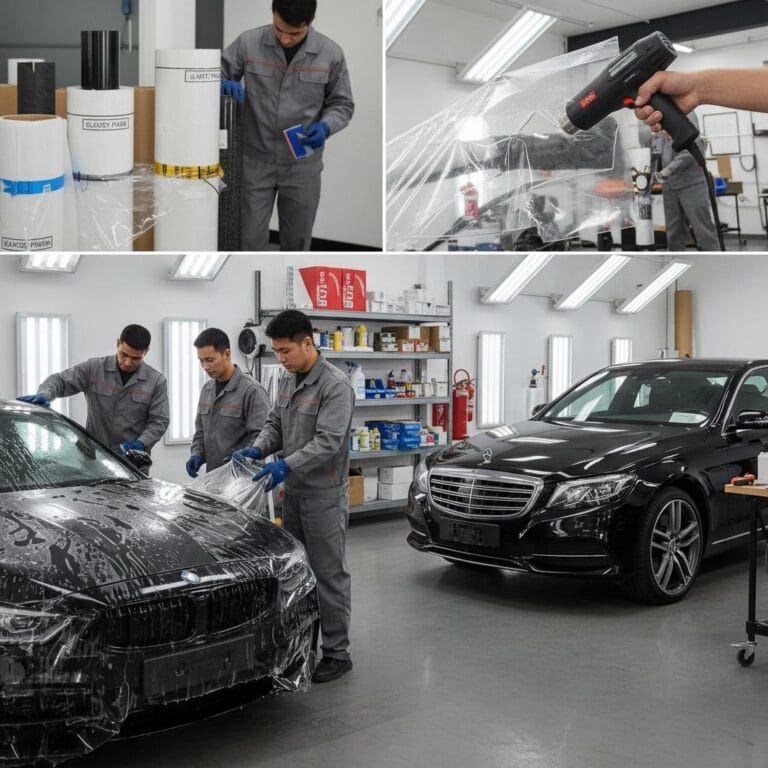
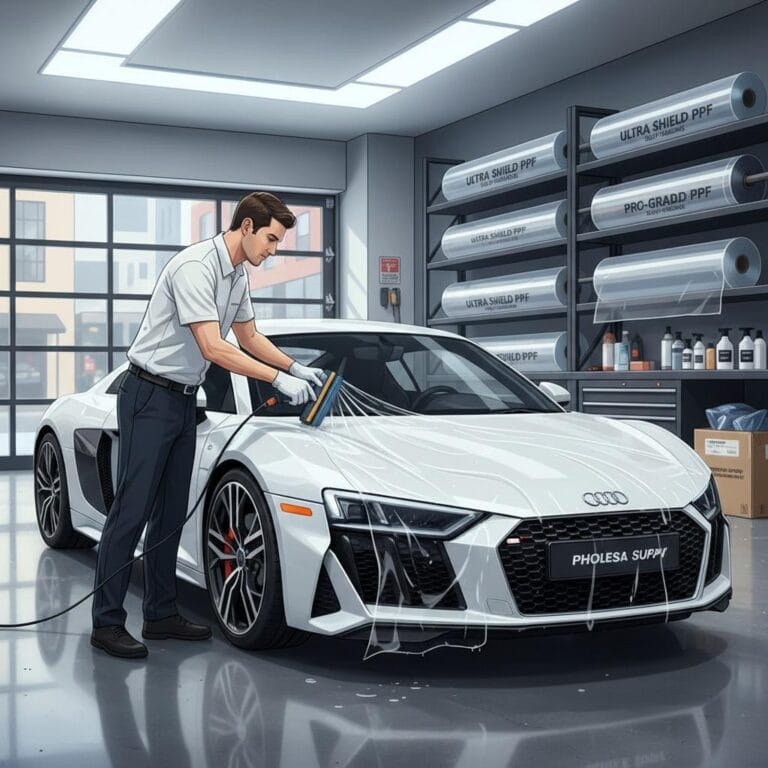
Tesla ppf (paint protection film) is popular because it provides a sacrificial, nearly invisible barrier that absorbs impacts and reduces paint wear. Most modern films use a TPU base layer with a top coat engineered for clarity, stain resistance, and scratch resistance. Where self healing ppf stands out is in daily micro-marring: light wash swirls and fine scuffs can “relax” and visually disappear with mild heat (sun exposure, warm water, or controlled heat tools), reducing the need for polishing.
When selecting tesla ppf, start with three decisions that directly affect results:
Coverage plan (where the film goes):
High-impact partial: bumper + partial hood/fenders + mirrors
“Track pack”: full bumper + full hood + full fenders + A-pillars + rockers
Full front: bumper/hood/fenders/mirrors/headlights
Full body: maximum consistency and resale confidence
Finish and look: gloss vs matte vs satin (match the paint style and your detailing routine).
Supply chain and consistency: the difference between a strong experience and a frustrating one is often the ppf supplier ecosystem – stable batches, reliable adhesive behavior, and consistent optical clarity.
Quick comparison table (Tesla paint protection choices)
| Option | What it protects best | What it does NOT do well | Best for | Notes for Tesla owners |
|---|---|---|---|---|
| Tesla PPF (impact film) | Rock chips, abrasion, light scuffs | Doesn’t stop deep gouges or dents | Highways, city driving, long-term ownership | Highest “physical protection” per dollar when coverage targets impact zones |
| Self healing PPF | Same as above + reduces visible wash swirls | Still requires proper washing | Daily drivers, darker colors, high-touch areas | Helps keep a “freshly detailed” look with less correction |
| Ceramic coating (alone) | Chemical resistance, easier washing | Minimal chip protection | Low-to-moderate debris environments | Often best as a top layer over PPF rather than a replacement |
| Wax/sealant | Short-term gloss and water behavior | Low durability and limited protection | Budget maintenance | Useful for upkeep, not a core tesla paint protection strategy |
If you’re buying for business use, look beyond roll specs and focus on whether the ppf manufacturer and ppf factory can deliver repeatability. For installers and distributors, stable performance matters more than single-batch “best case” results.
The Role of PPF Manufacturers and Suppliers
A reliable ppf manufacturer is critical for consistent quality, especially when customers expect clean edges, minimal glue lines, and stable finish behavior across multiple vehicles. In practice, Tesla installs often expose weaknesses quickly because large, smooth panels (hoods, doors) make optical distortion and edge lift more noticeable.
When evaluating a ppf supplier (or choosing ppf factory direct), treat it like a quality system check rather than a one-time purchase:
Material consistency: stable TPU base and top coat behavior across batches.
Adhesive performance: predictable tack, repositioning, and long-term edge stability.
Optical clarity: low haze and low “orange peel” effect under sunlight.
Support: pattern data compatibility, installation guidance, and warranty/claim process.
For shops, distributor programs matter because you’re not only selling a roll – you’re selling an outcome. That’s why many businesses compare their own dealer enablement to established programs like xpel dealer program marketing support: training, tools, and sales materials can influence close rates and reduce rework.
As a leading ppf factory, we prioritize process control (incoming material verification, coating uniformity checks, adhesive consistency testing) because real-world Tesla installs punish inconsistency. Strong manufacturer-side QC helps installers deliver a repeatable finish, especially on high-visibility areas like bumpers and hood leading edges.
Quality Insights and Self Healing PPF Reviews
Self healing ppf is most valuable when your vehicle is exposed to routine urban grit, frequent washing, and unavoidable light scuffs (door edges, shopping lots, tight garages). The goal isn’t “no damage ever” – it’s fewer visible defects and less correction work over the life of the car.
A useful way to read PPF reviews is to separate marketing claims from installer-confirmed performance:
Healing behavior: Does it recover light wash swirls consistently, or only under aggressive heat?
Stain resistance: How it handles bugs, bird droppings, and road film if not cleaned immediately.
Finish stability: Whether gloss stays even, and whether matte/satin stays uniform.
Edge and stretch behavior: Does it install cleanly around Tesla curves and sensor-adjacent areas?
When evaluating an xpel alternative, the fairest comparison is not brand-to-brand – it’s outcome-to-outcome:
Can the film maintain clarity on large Tesla panels?
Do certified installers report stable adhesion and predictable installation time?
Does the supplier support warranty and batch traceability?
If those answers are strong, many owners and shops consider an xpel alternative a rational choice, especially when the buyer is optimizing budget across coverage area (full front vs full body) rather than paying only for a premium name.
Why Choose Quality Tesla Paint Protection
Quality tesla paint protection is ultimately about reducing decision fatigue over time: fewer chips to touch up, fewer visible swirls to correct, and less stress about normal driving. Whether you’re an individual owner or managing multiple vehicles, the combination of tesla ppf (for impact) and disciplined maintenance (for staining and swirl control) typically produces the best long-term appearance.
If you’re comparing options across vendors, prioritize these “outcome drivers”:
Right coverage first: protect the zones that actually take impacts.
Film behavior over specs: clarity, edge stability, stain resistance, and install consistency.
Supply chain strength: a ppf supplier that can keep performance stable is often more valuable than chasing the latest spec sheet.
Support enablement: shops benefit from structured resources similar in spirit to xpel dealer program marketing support, because it reduces installation variability and improves customer education.
Explore ppf factory direct options when you need customization or consistent B2B supply, but keep the evaluation grounded: samples, installer feedback, and repeat-batch verification matter more than any single “best” claim. With the right tesla ppf and a quality-driven ppf manufacturer behind it, your vehicle can stay showroom-ready for years without turning every wash into a correction project.
FAQ
What is the difference between tesla paint protection using tesla ppf and ceramic coating?
Tesla ppf is a physical impact barrier that helps prevent chips and abrasion. Ceramic coatings mainly improve chemical resistance and make washing easier, but they provide limited chip protection. Many owners combine both by coating on top of PPF.
Is self healing ppf actually “self healing” in daily use?
For light swirls and minor surface scuffs, self healing ppf can visually recover with mild heat (sun, warm water). It won’t repair deep cuts, sharp tears, or damage that penetrates the film.
How do I pick a ppf supplier for consistent Tesla installs?
Ask about batch consistency, warranty handling, installer resources, and whether the ppf manufacturer provides traceability. Consistency and support usually matter more than a single “spec” advantage.
What should I look for in a ppf factory when buying factory direct?
Look for repeatable QC, stable adhesive behavior, clear technical documentation, and sample roll validation. Factory direct works best when the ppf factory can support consistent outcomes across repeat orders.
Is an xpel alternative worth it, or should I only use premium brands?
An xpel alternative can be worth it if certified installers confirm stable adhesion, clarity, and predictable installation behavior – and if the supplier supports warranty and consistent batches. Compare total outcomes and coverage area, not just logos.
What does xpel dealer program marketing support usually include, and why does it matter?
Dealer support programs commonly include training, product tools, software/pattern resources, and marketing materials. For shops, this can reduce install variability and improve customer education, which directly affects conversion and rework.
Are “next feel window film supply ppf quality reviews” enough to judge film quality?
Use that phrase to find suppliers and listings, but don’t rely on review pages alone. Validate with real installation feedback, sample testing, and clarity checks under sunlight.
Does tesla ppf affect sensors, cameras, or driver assistance systems?
Film placement and installer technique matter. High-quality installs avoid covering areas where optical clarity or sensor behavior could be affected, and patterns are usually designed with those constraints in mind. If you’re unsure, confirm coverage zones with an experienced installer.
References
[1] Become An XPEL Dealer – Grow your Business (https://www.xpel.com/for-business/dealers)
[2] XPEL Automotive Dealer Program (https://www.xpel.com/for-business/industry/automotive)
[3] 3M Scotchgard Paint Protection Film Pro Series (https://www.3m.com/3M/en_US/p/d/b40066706/)
[4] 3M Scotchgard Paint Protection Film SGH12 – Thermoplastic Polyurethane (https://www.3m.com/3M/en_US/p/d/v000097079/)
[5] SunTek Paint Protection Film – Product Overview (https://suntekfilms.com/na/en/paint-protection-film/)
[6] LLumar Paint Protection Film (https://llumar.com/na/en/automotive/paint-protection-film/)
[7] The Top Coat – Understanding the final layer in PPF (https://official-stek.medium.com/the-top-coat-40112831daa0)
[8] Peeling paint from Model 3 rocker panels (https://teslamotorsclub.com/tmc/threads/peeling-paint-from-model-3-rocker-panels.293086/)
[9] Tesla Model Y owners discussion on paint chipping (https://www.reddit.com/r/TeslaModelY/comments/18n1lar/for_y_owners_of_multiple_years_can_you_comment_on/)
[10] Next Feel Window Film Supply PPF Quality Reviews (https://www.accio.com/plp/next-feel-window-film-supply-ppf-quality-reviews)